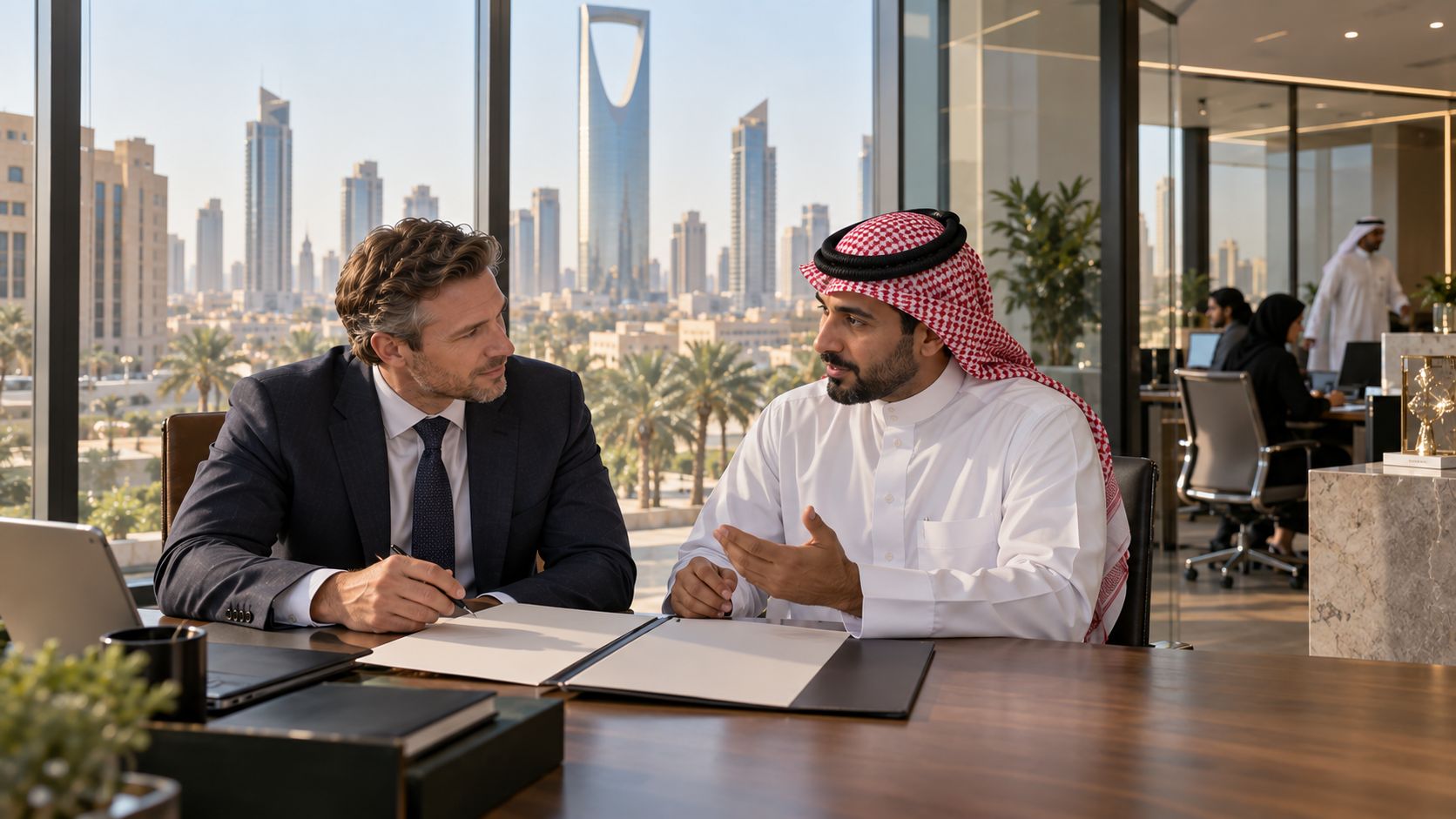
Foreign ownership rules in Saudi Arabia for UK founders
Foreign ownership rules Saudi Arabia 2026: when a UK founder can own 100 percent, the negative list, the SAR 30 million trading rule, tax, and the UK angle.
Business Setup in UAE & Saudi from UK

Foreign ownership rules Saudi Arabia 2026: when a UK founder can own 100 percent, the negative list, the SAR 30 million trading rule, tax, and the UK angle.

How to set up a DIFC company for UK firms: DFSA authorisation, the category 1 to 5 capital rules, costs, the common-law framework, and the step-by-step process.

How to set up a trading company in Jeddah: the MISA trading licence, the SAR 30 million capital rule, customs and VAT, costs, and the step-by-step process.

What it takes to register a company in Riyadh, from MISA sign-up to the programme built for government contracts.

Saudi Arabia and the UAE both want UK founders - here's how they stack up on tax, ownership, and setup speed.

You can own and run a UAE company while living in the UK. Owning it is simple. Running it from the UK is the risk. If the company’s real decisions are made in Britain, HMRC can treat it as UK tax resident and tax its worldwide profits, on top of UAE corporate tax. The way out is genuine UAE substance and local management, or a clean personal move to the UAE.

Saudi Arabia is the largest economy in the GCC and the one most UK companies underestimate. Vision 2030 has opened sectors that were closed a decade ago, and foreign ownership rules have moved substantially in the investor’s favour.
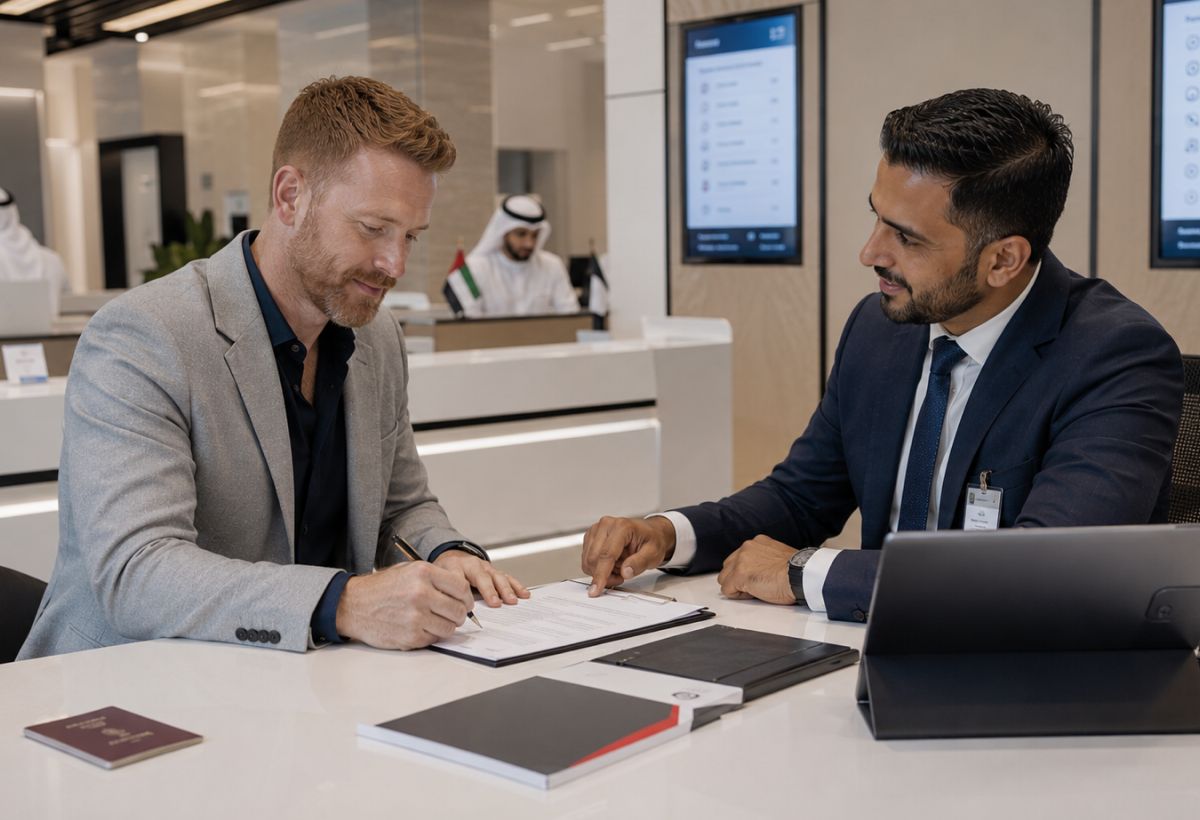
Setting up a UAE company from Britain is more procedural than most founders expect. There is a defined sequence, and each step depends on the one before it.

Almost every UK founder looking at the UAE hits the same fork in the road. Free zone or mainland.

Consulting is one of the cleanest businesses to set up in Dubai. You are selling expertise, so there is no stock to import, no shop to fit out, and no factory to license. For a UK consultant looking at the UAE, that means a fast, low-overhead launch.